

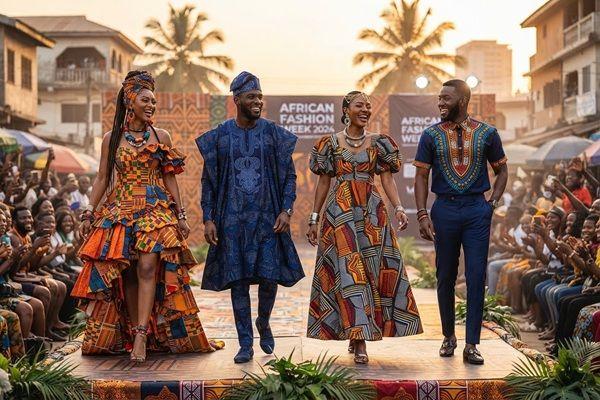
African fashion is attracting international attention, but the industry's biggest opportunity may lie beyond the runway. From Nigeria's growing designer economy to Kenya's apparel manufacturing sector, Ghana's emerging labels and South Africa's established fashion businesses, the continent is producing creative brands with the potential to reach customers far beyond their home markets. The challenge is turning that attention into sustainable businesses capable of producing consistently, competing internationally and generating long-term value.
For years, African fashion has been recognised largely through its cultural influence, distinctive textiles and ability to reinterpret traditional styles for modern audiences. Today, designers are increasingly building brands that combine this creative identity with contemporary design, international distribution and commercial ambition.
The shift matters because fashion is not simply a creative industry. It is also a business involving manufacturing, logistics, marketing, intellectual property, retail and employment. A designer may attract international media coverage or secure a place at a major fashion event, but building a profitable brand requires the ability to deliver quality products, manage costs, meet customer expectations and maintain demand long after the attention fades.
Nigeria provides a useful starting point. Its fashion industry draws strength from a large domestic market, a vibrant entertainment sector and a strong culture of tailoring, occasion wear and personal style. Lagos, in particular, has developed into an important meeting point for designers, retailers, creative entrepreneurs and international fashion stakeholders.
The growth of Lagos Fashion Week illustrates how the industry is building platforms that connect creativity with commerce. Founded in 2011, the event has expanded beyond runway presentations to include business development, retail opportunities, industry discussions and connections between designers and potential buyers.
Its 2025 edition, marking its 15th anniversary, featured more than 60 designers on the official schedule, highlighting the range of creative talent emerging from Nigeria and other African markets.
Brands such as Orange Culture, Lisa Folawiyo and Iamisigo demonstrate different ways Nigerian-founded fashion businesses can develop distinctive identities. Their work shows that African designers do not have to rely on traditional clothing alone to establish an international presence. They can build recognisable brands through contemporary design, craftsmanship, material innovation and a clear creative point of view.
However, international visibility does not automatically translate into commercial scale. Designers must still finance production, source materials, manage inventory and establish distribution channels that allow customers in different countries to purchase their products reliably.
For Nigerian brands, these demands can be particularly difficult when exchange-rate fluctuations, energy expenses, infrastructure constraints and imported material costs make pricing unpredictable. A product that is affordable to manufacture at one point may become significantly more expensive when the cost of fabric, equipment or transportation changes.
Pricing presents another challenge. Brands must remain commercially viable at home while accounting for the different costs associated with selling abroad, including international shipping, duties, returns and retailer margins. Prices that work in the domestic market may not support international expansion, while prices designed for overseas consumers may place products beyond the reach of many local customers.
These competing demands mean that designers need more than creative talent. They require strong financial planning, production management and a clear understanding of the customers they intend to serve.
Kenya offers a complementary perspective because its fashion economy includes both independent designers and a substantial export-oriented apparel sector. According to Kenya's Export Promotion and Branding Agency, the country's textile and apparel exports reached a record KSh66.9 billion in 2025, up from KSh60.5 billion in 2024.
The figures reflect the importance of manufacturing and international trade to Kenya's apparel industry. They also illustrate a distinction that matters across Africa: building a fashion brand and building the production system needed to manufacture clothing at scale are related but different business challenges.
A designer can create a commercially attractive collection without having access to a reliable manufacturing network. As orders increase, however, the business must find ways to produce larger quantities while maintaining quality, delivery schedules and cost control.
Kenya's apparel export industry demonstrates the potential of connecting production capacity with international demand. For independent designers across the continent, stronger relationships with manufacturers, fabric suppliers and skilled artisans could help bridge the gap between creative ambition and commercial expansion.
Ghana offers another perspective on how distinctive design can attract international interest. Its fashion industry draws on a rich textile and cultural heritage while producing contemporary labels aimed at local and international customers.
The growing visibility of Ghanaian designer Boyedoe, which reached the semi-final stage of the 2025 LVMH Prize, demonstrated the potential for designers from smaller African markets to attract attention from influential international fashion institutions.
Such recognition can help a label gain exposure, establish industry relationships and reach new audiences. But the commercial value depends on what follows: whether the business can convert attention into sales, develop distribution partnerships and maintain a production model capable of meeting demand.
South Africa's fashion industry adds another dimension through its established retail environment, design institutions and links to broader commercial markets. Designer Thebe Magugu has built international recognition around a distinctive creative identity, demonstrating how a brand can draw on African experiences and perspectives without limiting its appeal to a narrowly defined market.
Across these countries, the common opportunity is to build businesses whose value rests on more than the novelty of African fashion. Distinctive design may attract customers initially, but lasting growth depends on product quality, reliable delivery, brand consistency and an understanding of changing consumer preferences.
Intellectual property is also important. As African designs gain visibility, businesses need to protect their brand identities, establish clear ownership of original work and develop strategies for dealing with imitation. Without appropriate protection, the commercial benefits of a designer's creativity can be weakened by businesses that copy successful products without making comparable investments in design and development.
Digital commerce offers one route to growth. Online stores and social media allow designers to reach customers outside their immediate locations without first establishing physical shops in every market. However, a strong online presence is only part of the solution. International customers still expect accurate sizing, secure payment options, transparent delivery costs, reliable fulfilment and accessible customer support.
Partnerships with established retailers, fashion platforms and distributors can also help brands reach new markets. These arrangements may provide access to customers and commercial expertise, although designers must carefully assess the costs, margins and contractual terms involved.
There is a wider economic opportunity as well. A stronger fashion industry can create demand for textile production, garment manufacturing, packaging, photography, marketing, logistics and retail services. This means the benefits of successful fashion businesses can extend to workers and suppliers who never appear on a runway.
For investors and policymakers, supporting the sector therefore requires more than funding fashion shows. Access to finance, skills development, manufacturing infrastructure, reliable energy and improved trade logistics can help businesses expand production and compete more effectively.
The African Continental Free Trade Area could provide additional opportunities by making it easier for fashion businesses to reach customers across participating African markets. Yet this potential will depend on practical improvements in cross-border payments, customs procedures, transport and the enforcement of trade rules.
African fashion has already demonstrated its ability to attract attention. The next challenge is to build businesses that can convert that attention into consistent revenue, stronger production capacity and long-term employment.
For Nigeria, Ghana, Kenya and South Africa, the opportunity is not to compete for recognition alone. It is to develop complementary strengths across design, manufacturing, retail and distribution, allowing more African fashion businesses to grow beyond their home markets.
The brands that endure will be those that combine creative distinction with commercial discipline. Global recognition can open the door, but sustainable growth depends on what a business builds after the spotlight moves on.

Administrator contributes reporting and analysis on entertainment for Brandish.
Keep Reading

AI claims first major victim as Getty Images files for bankruptcy

Veteran war correspondent, Christiane Amanpour announces she will leave CNN next June

Africa’s recycling industry opens new business opportunities for entrepreneurs and investors

Nigeria and India target $15 billion trade revival as Modi seeks renewed crude oil purchases

Lolu Akinwunmi writes: Don’t let your opponents define and control your story

No comments yet — be the first to comment.