

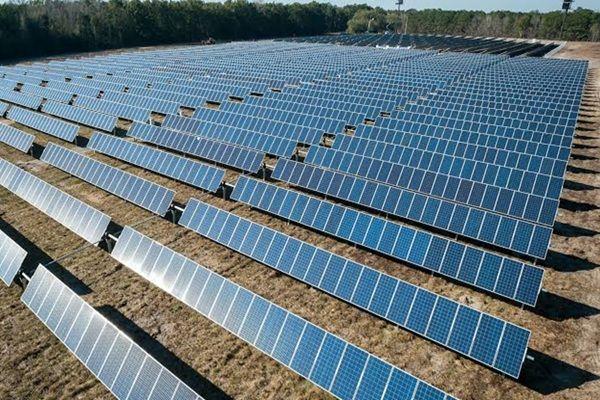
Deliberations at the Nigeria New Energy and Power and International Lighting Expo (NNEPIE) have shown that reliable, affordable and sustainable energy has gone beyond an economic consideration into a social protection reality, with the fallout of a family without access to reliable electricity said to be worse than darkness.
The three-day exhibition brought together government functionaries, the private sector, investors, innovators, manufacturers and development partners from across West Africa. While exploring the latest in zero-carbon technologies and seeking clarity on regulatory demands, they challenged themselves with initiatives that would deliberately connect energy investment with skills development, employment and social protection.
As these stakeholders converged on Lagos under the theme: “Zero-Carbon Lighting: Powering Nigeria’s Sustainable Future,” Brandish.Africa reports that the proceedings clearly indicate that the renewable energy sector can create thousands of opportunities in installation, maintenance, manufacturing, distribution, digital technology, research and entrepreneurship.
Where renewable energy intersects with social protection agenda
Pointing out that renewable energy can provide solutions in underserved areas where public electricity infrastructure are slow to reach, the Director-General of Kano Social Protection Agency (KASPA), Haj. Fatima Amneef, stressed that no community should be left in the dark when technology and innovation can provide a solution.
According to her, “When we talk about social protection, we often talk about cash transfers, livelihood support, skills acquisition, food security, healthcare and assistance to vulnerable groups.
“But we must also recognise that access to affordable and reliable energy is increasingly becoming an important foundation for social and economic wellbeing.
“A woman who runs a small food processing business needs electricity. A young person operating a digital business needs electricity. A tailor needs power for a sewing machine. A barber needs power.
“A small farmer needs energy for irrigation and processing. A health centre needs reliable electricity to preserve medicines, operate equipment and provide services. A student needs adequate lighting to study at night.”
Why inclusion and social protection must be integral to Nigeria's energy transition
Nigeria has enormous potential in renewable energy, particularly solar energy. Experts believe that this natural resource, when harnessed with technology, translates into opportunities that support livelihoods, improve household resilience, empower women and young people, and help communities move out of poverty.
The discussants pointed out that these gains are concretised in the form of: solar-powered schools which provide children with better learning environments.
Solar-powered health facilities that can strengthen healthcare delivery. Solar-powered water engineering which can improve access to potable water. And solar energy that can provide small businesses with a more reliable source of power.
Social protection posers that deserve serious attention
Creating scenarios of social protection outcomes, Amneef cited a rural woman who previously spent a significant portion of her income on fuel now using a solar-powered system to run her small business. It also represents the young entrepreneur who can operate his digital business without losing productive hours due to power outages.
From the interactions at the plenary session, there’s more to it than energy outcomes when a health centre in a rural community is being powered by a dependable solar system or the case in schools where children study in properly lit classrooms.
The scale of Nigeria's energy challenge therefore requires strong collaboration between the federal government, state governments, local governments, private sector investors, financial institutions, development partners, civil society and communities. This led the KASPA boss to raise the following questions:
How do we ensure that the poorest household can participate in this transition?
How do we ensure that a low-income woman is not left behind?
How do we ensure that young people in our communities are not only consumers of new energy technologies but also become installers, technicians, entrepreneurs and innovators?
How do we ensure that rural communities benefit from the investments taking place in the energy sector?
While insisting that state government agencies responsible for social protection must be part of the conversation, Amneef harped on the “need to understand the energy vulnerabilities of our populations and incorporate energy considerations into our social protection planning.”

Administrator contributes reporting and analysis on energy for Brandish.
Keep Reading
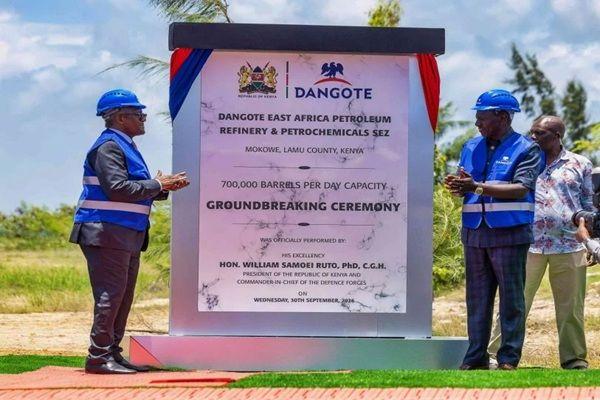
Court eases way through for Dangote to commence construction of his refinery in Lamu, Kenya

Dangote Refinery returns $4.7 billion (N6.3 trillion) profit before tax in nine months as firm extends Initial Public Offering

Real Madrid say Nazi comparison unacceptable demand La Liga president’s resignation
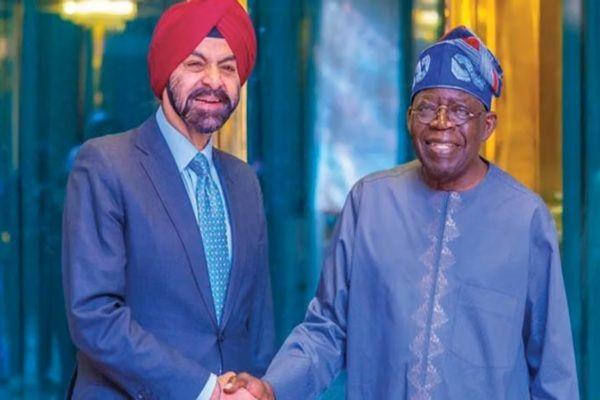
World Bank mobilises $5.79bn for investment in Nigeria, agric, telecom and SMEs as Dangote, Indorama get funds to boost fertilizer production
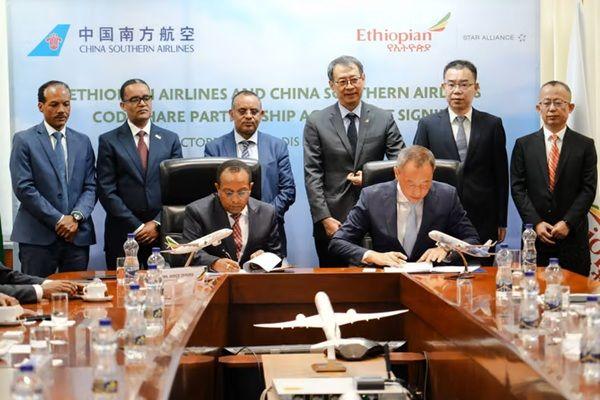
Ethiopian Airways, Africa's biggest airline, and China Southern Airlines, sign deal to widen travel connections as the Chinese airline enters Ethiopia

No comments yet — be the first to comment.