


By Maryanne Opene
A filmmaker can spend months researching a public figure, assembling a cast and financing a production, only to discover that the biggest battle surrounding the finished work may not be fought at the box office. It may begin when the people closest to the subject challenge the story, question the rights to its source materials or threaten legal action over how the person has been portrayed.
That risk has come into focus in Nollywood following a dispute between the family of late Ibadan political heavyweight Lamidi Ariyibi Adedibu and filmmaker Seun Oloketuyi over the biographical production Adedibu: Alagbara Ibadan.
The family has challenged the film's portrayal of the late politician, alleging that it contains misleading accounts of his life and uses family materials without authorisation. It has demanded the film's withdrawal, a public apology and ₦500 million in damages.
Oloketuyi has rejected the allegations, maintaining that the production draws on publicly available information about a prominent political figure whose activities have been widely documented.
The disagreement presents Nollywood with a business question that extends well beyond the fate of one production: how much legal and financial risk are filmmakers taking when they turn the lives of real people into commercial entertainment?
Biographical films offer producers an opportunity to build stories around personalities audiences already recognise. Political figures, musicians, business leaders and cultural icons come with established histories, public reputations and communities interested in their legacies. That familiarity can make a subject attractive to investors and audiences.
But recognition does not guarantee commercial success, and a well-known name does not automatically give a filmmaker unrestricted rights to every element of that person's life story.
The financial exposure can begin long before a film reaches its intended audience. Research, script development, casting, production, editing, marketing and distribution all require time and money. If a legal dispute arises after production, the producer may have to spend additional resources defending the work, responding to demands or reviewing how it is distributed.
A threatened injunction or a demand to remove a film from online platforms can also create uncertainty for distributors, promotional partners and other parties whose commercial interests depend on the production remaining available.
In a case involving allegations about a deceased public figure, the legal questions may be particularly complicated because several distinct issues can arise at once.
The first concerns factual accuracy. A family may dispute the events portrayed in a film, while the producer may rely on published accounts, interviews and historical records. The commercial pressure to produce a compelling narrative does not eliminate the need to distinguish verified events from disputed claims or dramatic reconstruction.
The second concerns intellectual property. Photographs, recordings, letters and other materials may have separate owners or rights holders. The fact that a person was famous, or that information about them is publicly available, does not automatically make every associated image or recording free to use.
The third concerns privacy, reputation and the legal status of the claims being made. The applicable rules depend on the facts, the material involved and the law governing the dispute. A family objection alone does not establish that a production is unlawful, just as a producer's insistence on creative freedom does not conclusively settle the matter.
For investors and production companies, these distinctions are not merely legal technicalities. They can influence budgets, production schedules, distribution agreements and the likelihood of expensive disputes after release.
The Adedibu controversy demonstrates why due diligence should be part of the business planning for biographical productions rather than an exercise undertaken only after objections emerge.
Before committing substantial funds, a production team can examine the reliability of its sources, identify material claims likely to attract scrutiny and establish the ownership or licensing status of photographs, recordings and archival footage.
Where a project relies on interviews or private archives, clear agreements can help establish what materials may be used and under what conditions. Producers can also keep records showing the basis for significant factual claims, making it easier to respond if a person or family disputes the portrayal.
Legal review during script development may cost money upfront, but it can help identify problems before they become more expensive to resolve. For productions involving controversial public figures, that process can be particularly important.
There is also a commercial case for transparency. Audiences increasingly encounter biographical films alongside documentaries, interviews and online commentary about the same personalities. If viewers cannot distinguish historical evidence from invented dialogue or reconstructed scenes, disputes over accuracy can damage confidence in the production.
That does not mean filmmakers must avoid controversy or obtain unanimous approval from everyone connected to a subject. A requirement for universal family consent could make it difficult to investigate powerful individuals or produce works that challenge established accounts of history.
The business challenge is to protect legitimate creative independence while reducing avoidable exposure to claims involving inaccurate statements, unauthorised materials or poorly documented research.
For Nollywood, this issue becomes more significant as producers seek larger audiences, international distribution opportunities and partnerships that require clearer assessments of legal risk. A project may have a strong script and an attractive subject, but unresolved rights questions can complicate the decisions of distributors and commercial partners.
The industry therefore has an incentive to treat rights clearance, fact-checking and legal review as components of production management rather than obstacles to creativity.
In the Adedibu case, the family has outlined its objections and compensation demand, while the filmmaker has rejected the allegations and challenged the basis of the claims. Those positions remain contested, and their legal merits have not been established simply by the exchange of letters.
The outcome could influence how the parties approach the dispute, but the broader business lesson does not depend on predicting a court decision.
A biographical film is an investment in a story, but it is also an investment in the research, permissions, relationships and decisions that allow that story to reach an audience.
For producers, the question is no longer only whether a public figure's life can sustain a compelling film. It is whether the production has been prepared carefully enough to withstand the scrutiny that may follow its release.
In an industry where budgets are finite and distribution opportunities matter, that preparation can be as important to protecting a project's commercial future as casting, marketing or the strength of the script itself.
A filmmaker can spend months researching a public figure, assembling a cast and financing a production, only to discover that the biggest battle surrounding the finished work may not be fought at the box office. It may begin when the people closest to the subject challenge the story, question the rights to its source materials or threaten legal action over how the person has been portrayed.
That risk has come into focus in Nollywood following a dispute between the family of late Ibadan political heavyweight Lamidi Ariyibi Adedibu and filmmaker Seun Oloketuyi over the biographical production Adedibu: Alagbara Ibadan.
The family has challenged the film's portrayal of the late politician, alleging that it contains misleading accounts of his life and uses family materials without authorisation. It has demanded the film's withdrawal, a public apology and ₦500 million in damages.
Oloketuyi has rejected the allegations, maintaining that the production draws on publicly available information about a prominent political figure whose activities have been widely documented.
The disagreement presents Nollywood with a business question that extends well beyond the fate of one production: how much legal and financial risk are filmmakers taking when they turn the lives of real people into commercial entertainment?
Biographical films offer producers an opportunity to build stories around personalities audiences already recognise. Political figures, musicians, business leaders and cultural icons come with established histories, public reputations and communities interested in their legacies. That familiarity can make a subject attractive to investors and audiences.
But recognition does not guarantee commercial success, and a well-known name does not automatically give a filmmaker unrestricted rights to every element of that person's life story.
The financial exposure can begin long before a film reaches its intended audience. Research, script development, casting, production, editing, marketing and distribution all require time and money. If a legal dispute arises after production, the producer may have to spend additional resources defending the work, responding to demands or reviewing how it is distributed.
A threatened injunction or a demand to remove a film from online platforms can also create uncertainty for distributors, promotional partners and other parties whose commercial interests depend on the production remaining available.
In a case involving allegations about a deceased public figure, the legal questions may be particularly complicated because several distinct issues can arise at once.
The first concerns factual accuracy. A family may dispute the events portrayed in a film, while the producer may rely on published accounts, interviews and historical records. The commercial pressure to produce a compelling narrative does not eliminate the need to distinguish verified events from disputed claims or dramatic reconstruction.
The second concerns intellectual property. Photographs, recordings, letters and other materials may have separate owners or rights holders. The fact that a person was famous, or that information about them is publicly available, does not automatically make every associated image or recording free to use.
The third concerns privacy, reputation and the legal status of the claims being made. The applicable rules depend on the facts, the material involved and the law governing the dispute. A family objection alone does not establish that a production is unlawful, just as a producer's insistence on creative freedom does not conclusively settle the matter.
For investors and production companies, these distinctions are not merely legal technicalities. They can influence budgets, production schedules, distribution agreements and the likelihood of expensive disputes after release.
The Adedibu controversy demonstrates why due diligence should be part of the business planning for biographical productions rather than an exercise undertaken only after objections emerge.
Before committing substantial funds, a production team can examine the reliability of its sources, identify material claims likely to attract scrutiny and establish the ownership or licensing status of photographs, recordings and archival footage.
Where a project relies on interviews or private archives, clear agreements can help establish what materials may be used and under what conditions. Producers can also keep records showing the basis for significant factual claims, making it easier to respond if a person or family disputes the portrayal.
Legal review during script development may cost money upfront, but it can help identify problems before they become more expensive to resolve. For productions involving controversial public figures, that process can be particularly important.
There is also a commercial case for transparency. Audiences increasingly encounter biographical films alongside documentaries, interviews and online commentary about the same personalities. If viewers cannot distinguish historical evidence from invented dialogue or reconstructed scenes, disputes over accuracy can damage confidence in the production.
That does not mean filmmakers must avoid controversy or obtain unanimous approval from everyone connected to a subject. A requirement for universal family consent could make it difficult to investigate powerful individuals or produce works that challenge established accounts of history.
The business challenge is to protect legitimate creative independence while reducing avoidable exposure to claims involving inaccurate statements, unauthorised materials or poorly documented research.
For Nollywood, this issue becomes more significant as producers seek larger audiences, international distribution opportunities and partnerships that require clearer assessments of legal risk. A project may have a strong script and an attractive subject, but unresolved rights questions can complicate the decisions of distributors and commercial partners.
The industry therefore has an incentive to treat rights clearance, fact-checking and legal review as components of production management rather than obstacles to creativity.
In the Adedibu case, the family has outlined its objections and compensation demand, while the filmmaker has rejected the allegations and challenged the basis of the claims. Those positions remain contested, and their legal merits have not been established simply by the exchange of letters.
The outcome could influence how the parties approach the dispute, but the broader business lesson does not depend on predicting a court decision.
A biographical film is an investment in a story, but it is also an investment in the research, permissions, relationships and decisions that allow that story to reach an audience.
For producers, the question is no longer only whether a public figure's life can sustain a compelling film. It is whether the production has been prepared carefully enough to withstand the scrutiny that may follow its release.
In an industry where budgets are finite and distribution opportunities matter, that preparation can be as important to protecting a project's commercial future as casting, marketing or the strength of the script itself.

Administrator contributes reporting and analysis on entertainment for Brandish.
Keep Reading

Real Madrid say Nazi comparison unacceptable demand La Liga president’s resignation

Nigeria takes indigenous cuisine to international stage as over 40 chefs prepare for food festival

When childhood felt safer: the Nigerian values that are slowly being lost
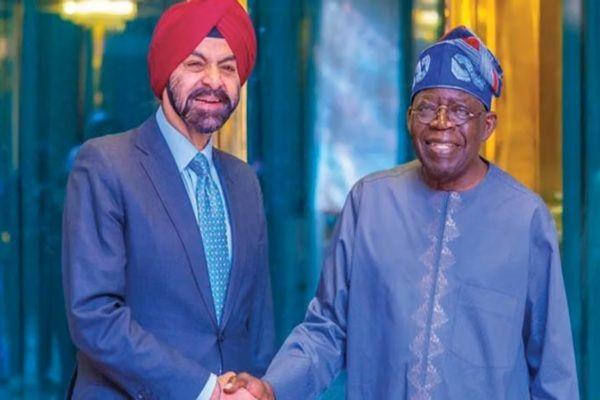
World Bank mobilises $5.79bn for investment in Nigeria, agric, telecom and SMEs as Dangote, Indorama get funds to boost fertilizer production

Ethiopian Airways, Africa's biggest airline, and China Southern Airlines, sign deal to widen travel connections as the Chinese airline enters Ethiopia

No comments yet — be the first to comment.