

By Maryanne Opene
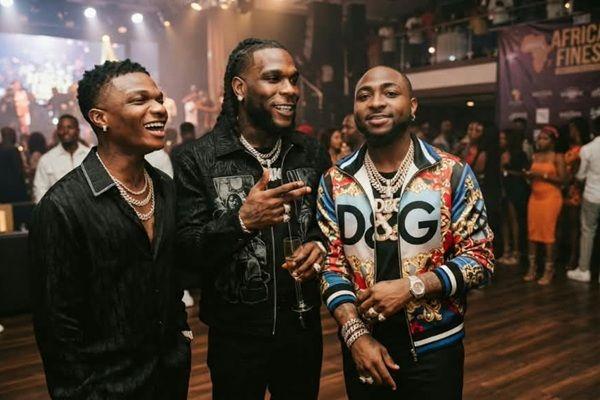
Nigerian music has become one of the country's most recognisable cultural exports, attracting listeners across Africa, Europe, North America and other parts of the world. From international collaborations and major concert performances to streaming success, Nigerian artistes are increasingly competing for attention in a global entertainment industry that once offered limited visibility to African sounds. At the centre of this growing influence are Wizkid, Davido and Burna Boy, three music stars whose careers have helped bring Afrobeats to a much wider audience.
Although each artiste has a distinct musical identity, their individual successes reflect the changing position of Nigerian music on the international stage. Wizkid has built a reputation for his melodic delivery and fusion of Afrobeats with contemporary pop and R&B. Davido has maintained a strong connection with audiences through energetic records and commercially appealing collaborations, while Burna Boy has developed an Afro-fusion sound that incorporates influences from reggae, dancehall, hip-hop and other genres.
Wizkid, born Ayodeji Ibrahim Balogun, established himself as a leading voice in Nigerian music with the release of his debut album, Superstar, in 2011. Songs from the project helped introduce his sound to a wider audience and laid the foundation for a career that would eventually extend beyond Nigeria.
His international profile grew significantly through collaborations with foreign artistes, particularly his contribution to Drake's global hit One Dance. The song reached audiences across several countries and demonstrated the potential of Nigerian musicians to contribute to international chart successes.
Wizkid later recorded another major milestone with Essence, featuring Tems. Released as part of his 2020 album Made in Lagos, the song gained international attention and became an important moment in the global expansion of contemporary Nigerian music.
The success of Essence also demonstrated that Nigerian songs could attract listeners without abandoning the sounds and rhythms that made them distinctive. Its reception introduced more international audiences to Tems and further strengthened Wizkid's position as one of the country's most influential musical exports.
Over the years, Wizkid has maintained his appeal through collaborations, live performances and a catalogue that combines contemporary production with African musical influences. His relatively understated public image contrasts with the scale of his international following, giving him a distinctive position in an industry where publicity often moves as quickly as the music itself.
Davido, whose real name is David Adeleke, has built his career around a different but equally recognisable approach. Known for his energetic performances, catchy melodies and strong audience connection, he became a major force in Nigerian pop music following the success of early records such as Dami Duro.
His ability to create songs that resonate at parties, celebrations and social gatherings has helped him maintain a broad following. Over the years, he has released commercially successful projects and worked with artistes from different countries, strengthening his visibility across African and international music markets.
Davido's appeal is closely connected to his ability to combine entertainment with a sound that remains familiar to his Nigerian audience. His music frequently incorporates Afrobeats rhythms and contemporary pop elements, creating records that can appeal to listeners at home while remaining accessible to audiences abroad.
His collaborations have also contributed to his international recognition. Working with artistes from different musical backgrounds has allowed him to explore new sounds and reach listeners who might not otherwise encounter Nigerian music.
Davido's career also illustrates the importance of consistency in an increasingly competitive industry. Maintaining public attention requires regular releases, memorable performances and the ability to remain relevant as new artistes enter the market. His continued presence in conversations about Nigerian music reflects the audience he has built over more than a decade.
Burna Boy, born Damini Ebunoluwa Ogulu, has followed a path shaped by musical experimentation and a strong international performance profile. His Afro-fusion sound draws from Afrobeats, reggae, dancehall, hip-hop and other traditions, allowing him to explore different rhythms and themes while maintaining a recognisable identity.
His albums African Giant and Twice as Tall played important roles in expanding his international audience. Twice as Tall won the Grammy Award for Best Global Music Album in 2021, marking a major achievement in his career and adding to the visibility of Nigerian music within the international recording industry.
Burna Boy's rise has also been supported by his performances at major venues and festivals outside Nigeria. These appearances have introduced his music to audiences across different countries and helped establish him as a performer capable of commanding attention on international stages.
His approach often differs from the more straightforward pop appeal associated with some Afrobeats releases. Burna Boy frequently incorporates personal reflections, cultural references and social themes into his music, giving his work a character that extends beyond dance-oriented records.
That willingness to draw from multiple genres has helped him build an international audience without relying on one particular sound. His career demonstrates how Nigerian musicians can experiment with different influences while maintaining a strong connection to their cultural backgrounds.
The achievements of Wizkid, Davido and Burna Boy also reflect changes in the way Nigerian music reaches the world. Streaming platforms have made songs more accessible to international listeners, while social media has allowed artistes to promote their work directly to audiences across different countries.
International collaborations have further strengthened these connections. When Nigerian musicians work with established performers from other markets, they create opportunities for their music to reach new listeners. However, lasting success still depends on the quality of the music, the strength of an artiste's catalogue and the ability to maintain an audience over time.
The growth of Afrobeats has also created opportunities for younger Nigerian performers seeking to build careers outside the country. The international visibility achieved by established stars has helped demonstrate that Nigerian music can compete in a crowded global market, although emerging artistes still face challenges involving promotion, funding, distribution and access to major performance opportunities.
For Nigeria's creative industry, the success of these musicians carries economic and cultural significance. International tours, music distribution, brand partnerships and collaborations can generate revenue while creating opportunities for producers, songwriters, dancers, managers and other professionals working behind the scenes.
Nevertheless, international popularity does not automatically translate into equal financial benefits for everyone involved in the industry. Stronger copyright protection, effective music distribution systems and improved business management remain important to ensuring that Nigerian creators receive fair value for their work.
Wizkid, Davido and Burna Boy have each contributed to the changing perception of Nigerian music through different sounds, career choices and international achievements. Their continued relevance demonstrates the diversity within Afrobeats and the ability of Nigerian artistes to build distinctive identities in an increasingly connected music industry.
As competition grows and new performers emerge, their next challenge will be to sustain audience interest while continuing to develop their individual sounds. For now, their careers remain important examples of how music originating in Nigeria can travel across borders, influence international listening habits and strengthen the country's place in the global entertainment business.

Administrator contributes reporting and analysis on entertainment for Brandish.
Keep Reading

AI claims first major victim as Getty Images files for bankruptcy

African fashion is gaining global attention, but can its brands turn recognition into real business?

Veteran war correspondent, Christiane Amanpour announces she will leave CNN next June

Africa’s recycling industry opens new business opportunities for entrepreneurs and investors

Nigeria and India target $15 billion trade revival as Modi seeks renewed crude oil purchases

No comments yet — be the first to comment.