

By Maryanne Opene
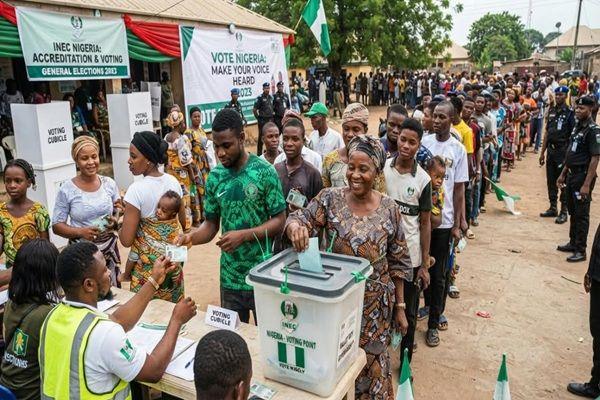
As Nigeria moves closer to the 2027 general election, political activities are expected to intensify, with politicians preparing to convince Nigerians that they deserve another opportunity to lead. From promises of economic recovery to commitments to tackle insecurity and create jobs, the familiar campaign messages will once again compete for the attention of voters.
But beyond the rallies, political endorsements and promises of a better Nigeria, citizens face a more important responsibility: deciding who genuinely deserves their votes.
For many Nigerians, the country's current challenges have made the next election particularly important. The rising cost of food, transportation, housing and electricity continues to put pressure on household budgets, while insecurity and unemployment remain major concerns. Many citizens are also questioning whether successive governments have done enough to improve their living conditions.
As politicians begin positioning themselves for the contest, voters must be prepared to look beyond campaign promises and party affiliations. Making an informed decision requires asking difficult questions about candidates, their records and what they intend to do differently if elected.
Here are five things Nigerians should consider before voting in 2027.
The first is the candidate's track record. Nigerians have heard countless political promises over the years, but the ability to make promises is not the same as the ability to deliver results. Before supporting any candidate, voters should examine their previous performance in public office, where applicable, and determine whether their actions match their words.
For incumbent officeholders seeking another term, the questions should be straightforward. What projects have they completed? How have they used public funds? Have they addressed the concerns of their constituents? What measurable improvements can citizens point to during their time in office?
Candidates who have never held public office should not be dismissed automatically. However, voters should examine their professional backgrounds, leadership experience, public conduct and understanding of the responsibilities they hope to assume.
The important thing is to assess candidates based on credible evidence rather than political popularity. A politician who has consistently failed to meet reasonable expectations should not escape scrutiny simply because an election campaign has begun.
The second consideration is the economy and how candidates intend to improve the lives of ordinary Nigerians. For millions of households, economic hardship is not an abstract political debate. It is the daily struggle to afford food, pay rent, transport children to school and meet other essential expenses.
Voters should therefore pay close attention to the economic plans presented by presidential, gubernatorial and legislative candidates. General statements about creating jobs, reducing poverty and improving living standards are not enough. Nigerians deserve to know how these promises will be achieved.
A candidate promising employment opportunities should explain which sectors will generate the jobs and how businesses will be supported to expand. Those promising lower food prices should outline measures to improve agricultural production, protect farmers and strengthen distribution systems.
Candidates should also explain their positions on taxation, public borrowing, electricity, local manufacturing and support for small businesses. These policies affect the cost of living, the availability of employment and the country's ability to generate sustainable economic growth.
Voters must be careful not to confuse attractive campaign speeches with workable economic plans. What matters is whether a candidate understands the country's challenges and can present realistic solutions.
The third issue is security. Across different parts of Nigeria, concerns about terrorism, banditry, kidnapping and other forms of violence continue to influence how people live, work and travel.
In communities affected by attacks, insecurity can force residents to abandon their homes and farms. Businesses may close, children may lose access to education, and families may struggle to rebuild their lives after losing loved ones or sources of income.
For this reason, security should be a major consideration in the 2027 election. Voters should examine how candidates intend to protect lives, strengthen security institutions and improve responses to threats.
Promises to defeat criminals or end insecurity should be accompanied by clear strategies. Candidates should explain how they intend to improve intelligence gathering, support security personnel, strengthen community policing within the law and ensure that perpetrators of violence face justice.
Those already in public office should also be questioned about their responses to security challenges during their tenure.
Although no candidate can guarantee that every security threat will disappear, Nigerians deserve leaders who understand the seriousness of the problem and are prepared to pursue practical solutions. Protecting lives should not become an issue that receives attention only when campaign season arrives.
The fourth consideration is whether voters are making decisions based on competence or allowing party loyalty, ethnicity, religion and financial inducements to influence their choices.
Nigeria's political environment often places considerable emphasis on where candidates come from, the religion they practise and the political parties they represent. While these identities may matter to voters, they should not automatically determine who receives their support.
A candidate does not become a capable leader simply because they share the same ethnic background, religion or state of origin with the people they hope to represent.
Citizens should be willing to assess candidates from different backgrounds according to their character, policies, competence and commitment to public service.
Financial inducements also deserve attention. During election campaigns, some politicians distribute money, food items and other gifts in an attempt to win support. For citizens facing economic hardship, these offers may be difficult to ignore.
However, the immediate benefit of accepting such gifts cannot replace the long-term importance of choosing capable leaders. A small payment received during a campaign will not necessarily help a household struggling with rising living costs, poor public services or unemployment throughout the next four years.
Voters should consider what candidates can contribute to their communities beyond election day rather than allowing temporary benefits to determine their decisions.
The fifth consideration is integrity and accountability. Nigerians need leaders who understand that public office comes with responsibilities and that citizens have the right to question how public resources are managed.
Before voting, citizens should examine candidates' attitudes towards transparency, corruption and public criticism. They should also consider whether candidates are willing to explain their decisions and accept responsibility when things go wrong.
Leadership requires more than the ability to win an election. It demands sound judgment, effective administration and a willingness to place public interests above personal or political benefits.
Voters should also consider whether candidates have realistic plans for implementing their policies and whether they can assemble competent teams to carry out their responsibilities.
- After the election, citizens must continue to demand accountability. They should monitor government activities, question unfulfilled promises and use lawful channels to make their concerns known. Waiting until another election approaches before assessing elected officials makes it easier for poor performance to go unchallenged.
Ultimately, the 2027 general election will present Nigerians with another opportunity to influence the country's political direction. The choices made at the ballot box will help determine who manages public resources, sets priorities and makes decisions affecting millions of people.
While political parties and candidates will work hard to secure votes, citizens must remember that the final decision belongs to them. The responsibility is to look beyond campaign excitement, examine the available evidence and choose leaders based on what they can realistically offer.
Nigeria does not merely need politicians who know how to win elections. It needs leaders who understand the responsibilities that come with winning them.

Administrator contributes reporting and analysis on government for Brandish.
Keep Reading

Ibrahim Traoré’s two books generate CFA 125 million for Burkina Faso’s patriotic fund, as total funds raised for national security pass CFA 550 billion

Are Nigerian service providers poised for Extra Mile following Customer Service Week?
Sterling Bank collaborates with Cascador in $200 million fund to derisk startup business loans
Buy now, pay later: is Nigeria ready for a new culture of consumer credit?

UBA secures landmark court victory in a N156Bn debt recovery case against the Vaswani Brothers, owners of the Stallion Group
No comments yet — be the first to comment.