

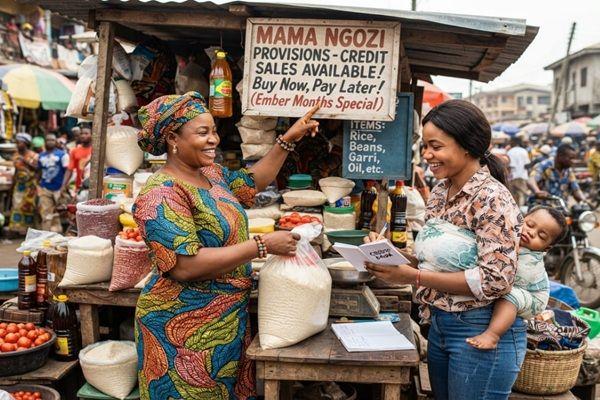
For many Nigerian consumers, buying a smartphone, replacing a faulty refrigerator or furnishing a home can require weeks or months of saving. For businesses, the same financial pressure can mean lost customers, abandoned shopping carts and unsold goods. Buy Now, Pay Later (BNPL) offers a different arrangement: customers receive their purchases immediately and spread the cost across agreed instalments.
The model presents a business opportunity at a time when retailers are searching for ways to attract customers and fintech companies are exploring new sources of revenue. But as instalment-based payments gain attention in the consumer finance market, an important question emerges: can Nigeria develop a sustainable culture of consumer credit without exposing households and businesses to greater financial pressure?
BNPL allows customers to divide the cost of a purchase into smaller payments, often through a financing provider working with a retailer or online marketplace. Depending on the arrangement, customers may pay a deposit and settle the remaining balance over a specified period. Some providers advertise interest-free plans, while others charge interest, fees or penalties.
The appeal lies in the flexibility. A consumer who cannot comfortably pay the full price of an essential item at once may find instalments easier to manage. For retailers, offering this option could help convert hesitant shoppers into paying customers, increase the value of transactions and make expensive products accessible to a wider market.
For Nigerian businesses, where customers often compare prices carefully before making purchases, that flexibility could become a competitive advantage. Electronics dealers, furniture sellers, appliance retailers and online merchants may find opportunities to serve buyers who have the capacity to make regular payments but lack sufficient cash for an immediate purchase.
However, the commercial benefits are not automatic. Retailers must consider transaction charges, financing costs, delayed settlements and the possibility of default. Where a third-party lender provides the credit, the retailer may receive payment under an agreed arrangement, but the cost of accessing that service can reduce its profit margin.
Small businesses must therefore assess whether the additional sales justify the expense. A financing option that attracts more customers but leaves the retailer with little profit may not be commercially worthwhile. The terms of partnerships between merchants and credit providers will matter as much as the convenience offered to shoppers.
Fintech companies also have a stake in the development of this market. BNPL can create opportunities to build relationships with customers, partner with merchants and develop products around consumer spending. Yet lending requires more than a digital platform and a quick approval process. Providers must assess repayment capacity, manage defaults and maintain sufficient financial resources to support their operations.
The greatest concern is what happens when several small repayments accumulate into a significant monthly obligation. A consumer who purchases a phone through one provider, household appliances through another and clothing through a third may underestimate the combined cost. Each individual instalment might appear affordable, but together they can compete with rent, food, transport, school fees and other essential expenses.
This risk becomes more serious when income is irregular or unexpected expenses arise. Consumers who rely on future salaries or business earnings to meet repayment deadlines may struggle when payments are delayed or earnings fall short. What begins as a convenient purchasing arrangement can become a cycle of borrowing to cover existing obligations.
The problem is not consumer credit itself, but credit offered without sufficient attention to affordability and transparency. Customers need to understand the total amount payable, the repayment schedule, any additional charges and the consequences of missing a payment before agreeing to a transaction.
Regulation is consequently an important part of the discussion. The Federal Competition and Consumer Protection Commission introduced the Digital, Electronic, Online or Non-Traditional Consumer Lending Regulations in 2025 to strengthen oversight of digital consumer lending and address concerns including unfair recovery practices, transparency and data privacy. In April 2026, a court order temporarily restrained implementation of the regulations. On July 20, 2026, the FCCPC announced that the court had dismissed the challenge and that implementation and enforcement had resumed.
For the BNPL market, the regulatory environment matters because consumer financing can involve sensitive personal information, contractual obligations and potentially aggressive debt recovery. Providers must understand which rules apply to their particular business models and meet their obligations under the relevant regulatory framework. Consumers, in turn, need accessible ways to question charges and report unfair treatment.
Trust will also influence adoption. Customers are unlikely to remain comfortable with a service if the advertised terms differ from the amount eventually demanded or if repayment difficulties lead to harassment. Businesses that introduce instalment payments must therefore consider the reputation of their financing partners, not just the potential increase in sales.
Financial education will be equally important. Before accepting a BNPL offer, customers should calculate their existing monthly commitments, establish whether their income can cover the repayments and check whether late fees or other charges apply. They should also avoid treating an approved credit limit as money they can automatically afford to spend.
For Nigeria, the opportunity is to build a consumer credit market that supports commerce without making debt an ordinary response to every financial shortfall. Retailers need commercially viable arrangements, fintech companies need responsible lending practices, and consumers need clear terms and meaningful protection.
The future of Buy Now, Pay Later will depend on whether it can deliver value to all three groups. If instalment payments help customers make planned purchases while allowing businesses to increase sustainable sales, the model could become a useful part of Nigeria’s retail economy. If convenience takes priority over affordability, however, rising transaction volumes may conceal financial problems that emerge only when repayments fall due.

Administrator contributes reporting and analysis on fmcg for Brandish.
Keep Reading

After nearly 40 years, KFC abandons Pepsi for Coca-Cola in the US, but its 1,500-plus African outlets are left out of the deal

South Africa in $400 million deal with US rail giant Wabtec to improve trains carrying minerals and exports
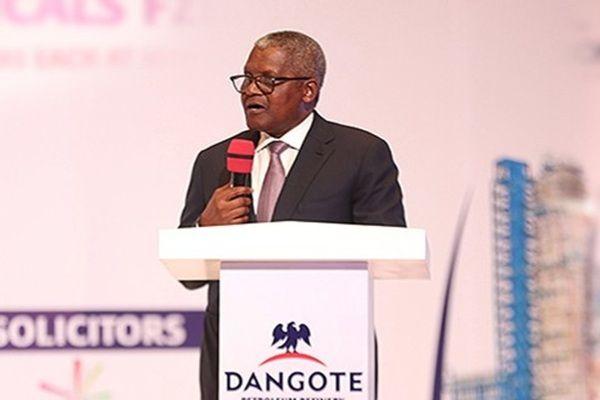
Dangote plans to offer at least 10% of his Ethiopian fertiliser business to investors through stock market listing

Are Nigerian service providers poised for Extra Mile following Customer Service Week?

Sterling Bank collaborates with Cascador in $200 million fund to derisk startup business loans

No comments yet — be the first to comment.