

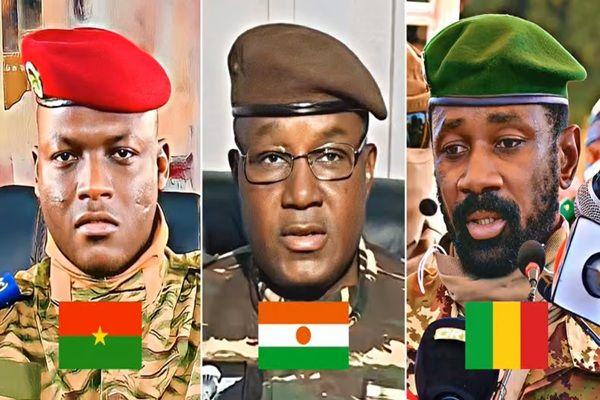
Mali, Burkina Faso, and Niger, having left ECOWAS, are negotiating a formal cooperation deal with the regional bloc.
At a ministerial meeting in Dakar, both sides agreed to establish joint working groups to explore areas of common interest.
Ministers will review the findings from these working groups before the next session, the date and venue of which remain undecided.
The talks aim to define future relations, maintain economic ties, and address cross-border trade and infrastructure issues.
The agreement followed a ministerial meeting in Dakar, Senegal, on October 17, 2026, where ECOWAS and the Confederation of Sahel States (AES) agreed to establish joint thematic working groups to conduct technical discussions towards a cooperation framework.
A joint communiqué said the groups would explore areas of common interest, with their findings to be submitted to ministers for consideration before the next session. The date and venue of that meeting will be determined through diplomatic channels.
The ECOWAS delegation was led by Senegalese Foreign Minister Cheikh Niang, who chairs the bloc’s Council of Ministers, while Burkina Faso’s Foreign Minister Karamoko Jean-Marie Traoré led the AES delegation and chaired its ministerial steering committee.ADVERTISEMENT
Mali, Burkina Faso and Niger announced their withdrawal from ECOWAS in January 2024, following tensions with the bloc after military coups and disagreements over sanctions and the transition to civilian rule. Their departure formally took effect on January 29, 2025.
Trade and regional ties remain at stake
The Dakar meeting comes as the two sides seek to define their relationship while maintaining longstanding social, cultural and economic links across West Africa.
In the communiqué, both parties said future relations should be guided by good neighbourliness, respect for sovereignty, dignity and the welfare of the region’s populations. They also expressed a commitment to a balanced and realistic framework that protects their respective populations’ interests.ADVERTISEMENT
The proposed agreement could provide a basis for cooperation on issues affecting cross-border trade, transport and regional infrastructure. The three landlocked AES countries rely on routes through neighbouring states to access seaports and international markets, while coastal economies maintain commercial links with the Sahel.
However, the communiqué did not announce a new trade agreement or changes to existing cross-border arrangements. Instead, it sets out a process for technical discussions before ministers consider the working groups’ recommendations.
The meeting also followed consultations held in Bamako, Mali, on May 22, 2025, and reflects continued efforts to establish a structured relationship between ECOWAS and the AES.
The parties thanked Senegalese President Bassirou Diomaye Faye and his government for hosting the meeting and supporting West African integration.
The next stage will depend on the recommendations produced by the joint working groups and whether the two sides can translate their stated commitment into a formal agreement.

Administrator contributes reporting and analysis on government for Brandish.
Keep Reading

Burkina Faso rewrites 33-year-old law to protect strategic state enterprises from privatization
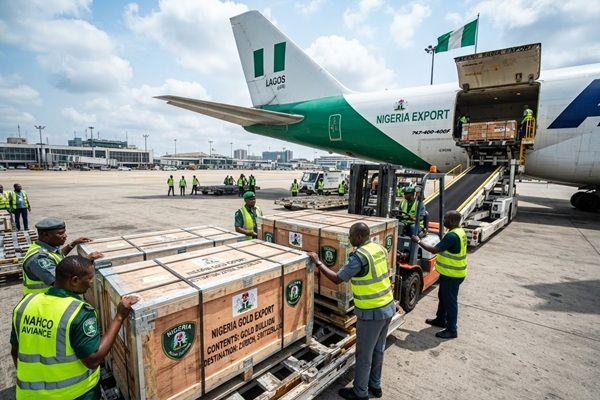
Nigeria’s gold rush faces a security crisis as illegal levies threaten mining investments

Africa’s recycling industry opens new business opportunities for entrepreneurs and investors

Nigeria and India target $15 billion trade revival as Modi seeks renewed crude oil purchases

Lolu Akinwunmi writes: Don’t let your opponents define and control your story

No comments yet — be the first to comment.