

By Maryanne Opene
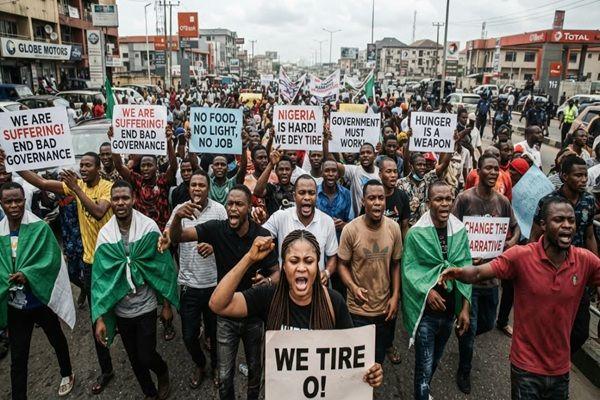
Nigeria is a country where dissatisfaction with leadership has become part of everyday conversation. From the rising cost of living and widespread unemployment to insecurity, poor public services and dwindling economic opportunities, millions of citizens have reasons to question the direction in which the country is heading. Across markets, offices, university campuses, homes and social media platforms, the demand for better governance remains loud. Yet, as the 2027 general elections approach, an uncomfortable contradiction deserves attention: while many Nigerians want a different political reality, some have already concluded that voting cannot change anything.
It is a belief that has grown from disappointment, frustration and, in some cases, a loss of confidence in the electoral process. For citizens who have watched successive administrations make promises that appear disconnected from their everyday struggles, the idea of returning to the polling station may seem pointless. They question whether their votes can make a difference when the same problems persist, political promises are repeatedly broken and the people entrusted with public office often appear distant from the realities of ordinary Nigerians.
For such citizens, refusing to vote is not necessarily an expression of indifference to the country's future. Some see it as a response to years of unmet expectations. Others believe that political parties offer little meaningful difference, regardless of which one wins an election. There are also those who fear that their participation will change nothing because the outcome may not reflect the wishes of the electorate.
These concerns cannot simply be dismissed. Public confidence is not built through campaign speeches or demands that citizens fulfil their civic responsibilities. It develops when institutions work, elections inspire confidence and elected officials demonstrate that public office is a responsibility rather than a personal privilege.
But this raises a more difficult question: if Nigerians are dissatisfied with the people governing them, how can they realistically expect change if some of those who want better leadership withdraw from the process of choosing it?
The question becomes particularly important as concerns about Permanent Voter Card collection emerge ahead of the next general elections. The PVC is a necessary requirement for registered voters to participate in Nigeria's elections. Where eligible citizens fail to collect their cards, they risk losing the opportunity to vote, regardless of how strongly they feel about the country's political direction.
The significance of this issue extends beyond the administrative process of collecting a card. It touches on the relationship between political frustration and civic participation. A citizen may spend years criticising government policies, questioning the performance of elected officials and demanding improvements in security, education, healthcare and employment. Yet, if that citizen remains eligible to vote but chooses not to participate, an important opportunity to influence the choice of leadership is surrendered.
Of course, voting is not a guarantee that the preferred candidate will win. Neither does it automatically produce good governance. Nigeria's challenges are too complex to be resolved by a single election, and the country's political problems cannot be reduced to whether citizens turn out at polling stations. Credible elections, accountable institutions, effective public administration and the enforcement of the rule of law are all essential to meaningful change.
Nevertheless, the imperfections of the system do not necessarily mean that participation is useless.
One of the dangers of the belief that voting does not count is that it can gradually turn political disappointment into political withdrawal. When citizens who want better leadership decide that participation is pointless, the responsibility for determining electoral outcomes falls more heavily on those who remain engaged. The result may be a political outcome that does not represent the preferences of many people who stayed away.
Consider the young Nigerian struggling to secure employment, the trader whose profits are consumed by rising operating costs, the family finding it increasingly difficult to afford food, or the farmer whose livelihood is threatened by insecurity. These are people whose lives are directly affected by government decisions. Their concerns are legitimate, and their frustration is understandable. But when those concerns do not translate into informed electoral participation, the opportunity to influence the policies and leadership that shape their circumstances becomes more limited.
The argument is not that every Nigerian who refuses to vote is responsible for the country's problems. Such a conclusion would ignore the failures that have contributed to public disillusionment. Some citizens face practical barriers to participation, while others have serious concerns about electoral credibility. These issues require attention from the Independent National Electoral Commission, political parties and other institutions responsible for protecting the democratic process.
- Electoral authorities must make registration and PVC collection procedures accessible, communicate clearly with voters and address legitimate concerns about the administration of elections. Political parties must also give citizens credible candidates and policy proposals worth considering. Above all, elected officials must understand that public trust cannot be demanded indefinitely when their performance repeatedly falls short of expectations.
Yet citizens must also confront the consequences of complete withdrawal. If the existing political arrangement is considered unsatisfactory, what alternative is being pursued when people who desire change abandon one of the available peaceful means of influencing leadership?
Complaining about poor governance is a legitimate exercise of freedom. Questioning politicians is necessary in a democracy, and refusing to accept empty promises is a sign of political awareness. But there is a difference between rejecting political complacency and rejecting participation altogether.
Citizens can question the system while still preparing to vote. They can demand electoral reforms, scrutinise candidates, reject political manipulation and insist on accountability without concluding that their participation has no value. In fact, informed participation and sustained public pressure can complement each other.
The 2027 elections therefore present Nigerians with more than an opportunity to choose among political parties. They offer a moment to reflect on what citizenship means in a country where the consequences of political decisions are felt long after campaign posters have disappeared.
For voters, this means looking beyond party loyalty, ethnic considerations, religious sentiments and attractive campaign slogans. It means examining candidates' records, asking difficult questions about their proposals and considering whether they have demonstrated the competence and integrity required for public office. It also means recognising that political responsibility does not end when a candidate wins. Citizens must continue to monitor public spending, question government decisions and demand explanations when promises are abandoned.
- For those who believe voting is pointless, the challenge is to distinguish between disappointment with previous outcomes and certainty that future participation cannot make a difference. The two are not the same. Past elections may have produced leaders who disappointed voters, but that experience alone does not establish that every future electoral choice is meaningless.
At the same time, political leaders should not interpret voter apathy as permission to continue governing without accountability. Low participation, where established by reliable figures, should prompt serious questions about public confidence, electoral accessibility and the quality of political representation. It should not become an excuse to blame citizens while ignoring the institutional failures that may have discouraged them.
Ultimately, meaningful change requires more than the removal or replacement of one administration. It requires institutions capable of restraining abuses of power, leaders willing to serve the public interest and citizens prepared to defend their rights. Voting is one part of that process, not its entirety. But abandoning it without pursuing other effective means of political participation risks leaving decisions in the hands of those who remain willing to make them.
Nigeria does not need citizens who pretend that the electoral system is perfect. It needs citizens who can acknowledge its weaknesses while demanding that those weaknesses be addressed. It needs political leaders who understand that trust must be earned, and institutions that demonstrate through their actions that every eligible voter's participation matters.
The question, therefore, is not whether voting alone can transform Nigeria. It cannot. The question is whether the country can achieve the change its citizens desire when some of the people demanding that change have already decided that participating in the electoral process is a waste of time.
If Nigerians want better security, stronger institutions, more employment opportunities and leadership that responds to their needs, they must consider every legitimate opportunity available to influence those outcomes. Collecting a PVC will not guarantee a better government, but failing to collect one can prevent a registered voter from participating in the election altogether.
Perhaps the most difficult truth is that citizens can lose faith in a system for understandable reasons and still face the consequences of withdrawing from it. Frustration explains political apathy, but it does not resolve the problems that created it.
As 2027 approaches, Nigerians must decide whether their disappointment will become a reason to disengage or a motivation to demand something better from the political process. That decision belongs to individual citizens, just as the responsibility to conduct credible elections belongs to the institutions charged with administering them.
Because if we keep asking for change but refuse to participate in choosing the people who govern us, how exactly do we expect that change to become attainable?

Administrator contributes reporting and analysis on government for Brandish.
Keep Reading

Ibrahim Traoré’s two books generate CFA 125 million for Burkina Faso’s patriotic fund, as total funds raised for national security pass CFA 550 billion

Are Nigerian service providers poised for Extra Mile following Customer Service Week?
Sterling Bank collaborates with Cascador in $200 million fund to derisk startup business loans
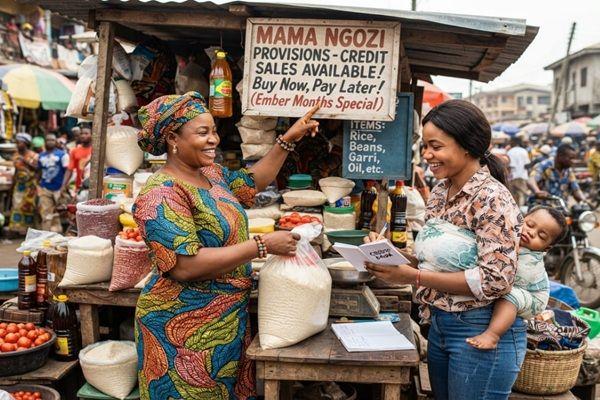
Buy now, pay later: is Nigeria ready for a new culture of consumer credit?

UBA secures landmark court victory in a N156Bn debt recovery case against the Vaswani Brothers, owners of the Stallion Group
A huge number of our people see election periods as a time to rest and relax at home and then later, they complain of riggings and stolen ballots. Maybe we need to educate the people about the implications of "sit at home" during elections.
@Okafor Uche, Citizens encourage other citizens to come out and cast their ballots. As patriotic as this is, I think we are greatly underprepared for this. The hoodlums and security forces pose a high risk to your safety at the polling unit, INEC is always ready to compromise, and many more boogie traps await. This challenge comes repeatedly at every election cycle, yet we, the citizens, have yet to find a counter to these problems.