

Nigeria’s security relationship with the United States faces renewed scrutiny after Washington placed the country on its Child Soldiers Prevention Act blacklist, a move that could restrict certain forms of military assistance and defence cooperation over concerns about the recruitment and use of children by armed groups.
The development was reported on Tuesday, October 13, following the publication of the United States Department of State’s 2026 Trafficking in Persons Report. The assessment covers the period between April 1, 2025, and March 31, 2026, and raises concerns about the continued exploitation of children in Nigeria’s prolonged security crisis.
Under the American law, countries identified as recruiting or using child soldiers may face restrictions on specified categories of military assistance, including military training, foreign military financing, transfers of excess defence equipment and certain commercial sales of military equipment. The restrictions may be waived by the US president or affected by applicable legal exceptions.
- The decision places Nigeria among 14 countries identified in the report over concerns involving the recruitment or use of children in armed conflicts.
For Nigeria, the implications extend beyond diplomatic relations. The country continues to battle insurgency in the northeast, where armed groups have carried out attacks, abducted civilians and disrupted economic activities for years. Cooperation with international partners remains an important part of efforts to address these security challenges.
The American report specifically identified Boko Haram and the Islamic State West Africa Province, known as ISWAP, as groups that continue to abduct, recruit and exploit children in conflict-affected areas.
According to the assessment, some children have been forced into roles as messengers, spies, cooks, guards and combatants. Others have reportedly been subjected to forced labour, sexual exploitation and other forms of abuse.
The use of children by armed groups has remained a serious concern in northeastern Nigeria, particularly in communities affected by repeated attacks, displacement and the destruction of livelihoods.
Children growing up in these circumstances often face limited access to education, healthcare and stable family support. Those separated from their parents or forced to flee their homes may become especially vulnerable to recruitment, trafficking and exploitation.
The report also raised concerns about women and girls abducted by insurgents and subjected to forced marriage, domestic servitude and sexual slavery. Some victims have reportedly been forced into activities that expose them to further violence.
These findings highlight the human cost of a conflict that has affected communities across Borno, Yobe and Adamawa states, leaving families struggling to recover from years of insecurity.
However, the designation does not mean that every aspect of American military cooperation with Nigeria has automatically been terminated. The law provides for restrictions on specific forms of assistance, while presidential waivers and applicable exceptions may allow some support to continue.
The practical consequences will depend on the decisions taken by the American administration and the programmes affected by the restrictions.
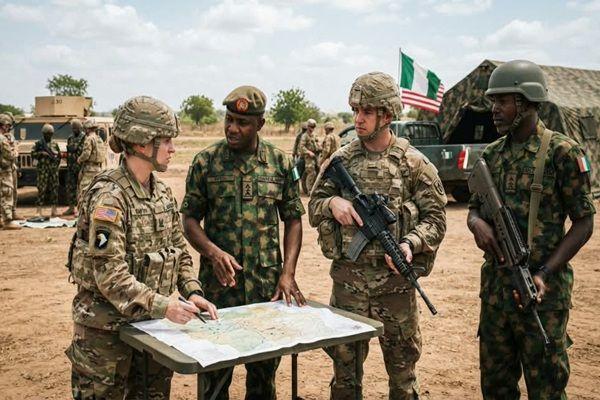
The development also comes against the background of longstanding security cooperation between Nigeria and the United States. Both countries have worked together on counterterrorism, intelligence and efforts to strengthen security capabilities.
Any reduction in military assistance could raise questions about how the two governments will sustain their cooperation while addressing Washington’s concerns over child protection.
For Nigerian authorities, the immediate challenge is to demonstrate that children are being protected from recruitment and exploitation and that allegations of trafficking are investigated effectively.
The report examined the country's wider efforts to combat human trafficking and concluded that Nigeria had not met the US government's minimum standards for eliminating the crime for the 15th consecutive year.
It also expressed concern about the absence of prosecutions of government officials for alleged complicity in trafficking during the period under review.
The assessment reported a decline in the number of trafficking victims who received government-supported assistance, from 2,058 in the preceding reporting period to 675 in the latest period examined.
The figures raise questions about the capacity of existing institutions to identify victims, provide rehabilitation and ensure that survivors receive the support needed to rebuild their lives.
Nigeria has institutions responsible for tackling human trafficking, including the National Agency for the Prohibition of Trafficking in Persons. However, the findings suggest that improving victim protection, strengthening investigations and ensuring accountability remain important areas for attention.
The challenge is particularly complicated in regions where insecurity limits the ability of authorities and humanitarian organisations to reach vulnerable communities.
Preventing child recruitment requires more than military action against insurgents. Families affected by displacement need access to basic services, while children require safe schools, protection from traffickers and opportunities to return to normal life.
Children rescued from armed groups may also need medical care, psychological support, education and assistance with reintegration into their communities. Without these measures, survivors can remain exposed to exploitation and further abuse.
The government's response to the American findings will therefore be important not only for diplomatic relations but also for the protection of children affected by conflict.
Nigeria has previously appeared on the Child Soldiers Prevention Act list. According to the Stimson Center's assessment of the law's implementation, the country was listed during earlier years, and American presidents issued waivers that allowed certain military assistance and arms sales to continue.
That history shows that inclusion on the list does not necessarily lead to a complete breakdown in defence cooperation. However, the latest designation places renewed attention on the conditions attached to international security assistance.
The question now is whether the Nigerian government can demonstrate sufficient progress on child protection and anti-trafficking measures to address the concerns raised by Washington.
For the United States, the issue involves applying legal restrictions intended to discourage the recruitment and use of children in armed conflicts. For Nigeria, it presents a challenge involving national security, international relations and the responsibility to protect vulnerable citizens.
As the two countries continue to confront security threats, their next steps will determine how the designation affects military cooperation and whether stronger measures emerge to prevent children from being drawn into armed violence.
The wider concern remains the safety of children living in conflict-affected communities. Their protection will depend on effective enforcement of existing laws, stronger support for victims and sustained efforts to prevent armed groups from exploiting vulnerable families.

Administrator contributes reporting and analysis on government for Brandish.
Keep Reading
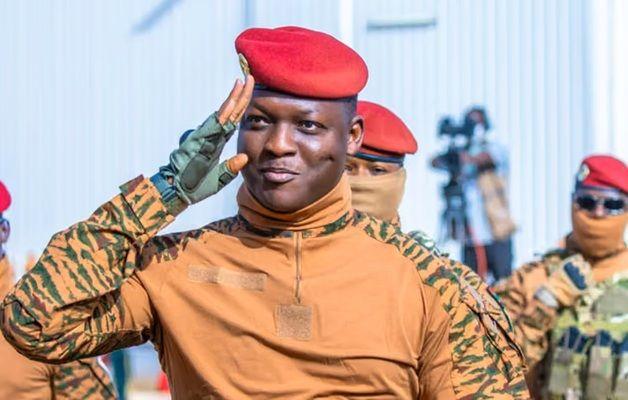
Ibrahim Traoré’s two books generate CFA 125 million for Burkina Faso’s patriotic fund, as total funds raised for national security pass CFA 550 billion

King Mohammed VI of Morocco and King Felipe VI of Spain disagreement over migration triggered by 70,000 illegal migrants who crossed from Morocco to Spain

Real Madrid say Nazi comparison unacceptable demand La Liga president’s resignation
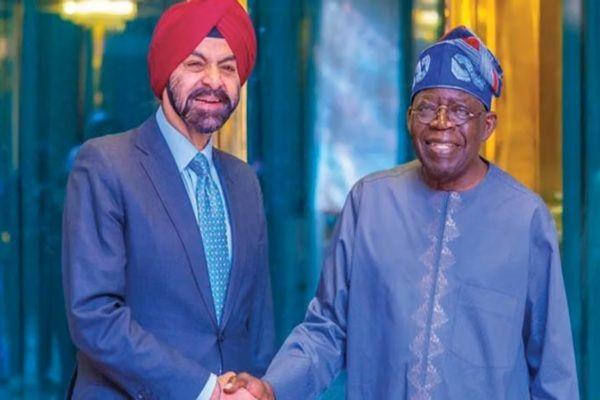
World Bank mobilises $5.79bn for investment in Nigeria, agric, telecom and SMEs as Dangote, Indorama get funds to boost fertilizer production
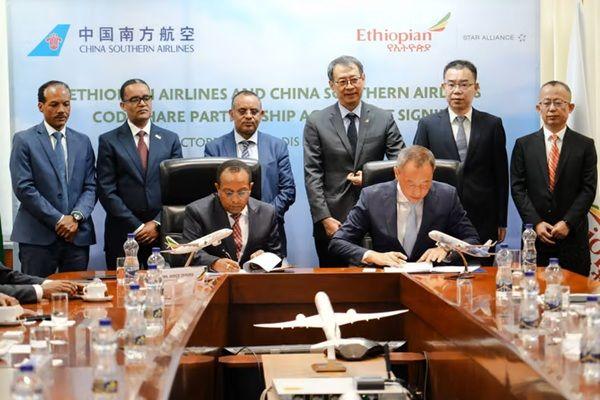
Ethiopian Airways, Africa's biggest airline, and China Southern Airlines, sign deal to widen travel connections as the Chinese airline enters Ethiopia
No comments yet — be the first to comment.