

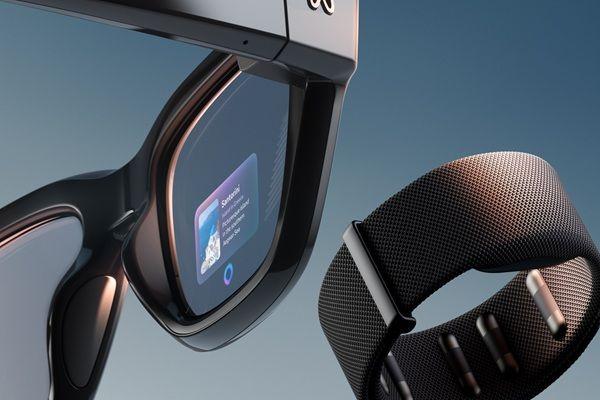
The heightened precautions follow an admission by the top scorer in this year’s national tax accountant examination that he used a miniature camera, a smartphone and generative AI to cheat in both rounds.
South Korea will inspect glasses worn by candidates taking this week’s national university entrance examination, following an artificial intelligence cheating scandal that has shaken confidence in the country’s testing system.
Education Minister Choi Kyo-jin told a parliamentary hearing on Monday that the checks would take place during every session of the College Scholastic Ability Test, known as the CSAT or Suneung.
The ministry has rejected calls to postpone Thursday’s examination. Smart devices were added to its prohibited-items list in July.
The heightened precautions follow an admission by the top scorer in this year’s national tax accountant examination that he used a miniature camera, a smartphone and generative AI to cheat in both rounds.
The candidate answered 159 of 160 questions correctly in the first round before recording high marks in the second. His confession on Sunday followed weeks of suspicion about his results and prompted a police investigation.
The case has intensified concern that increasingly discreet electronic devices could undermine examinations that play a major role in university admission and professional advancement.
More than half a million candidates are expected to sit Thursday’s university entrance examination, placing pressure on authorities to demonstrate that safeguards can detect prohibited technology without disrupting legitimate candidates.
Prime Minister Han Sung-sook called for a coordinated response, warning that rapid advances in AI were exposing limitations in existing examination management methods.
The concern extends beyond one candidate or qualification. South Korean broadcaster SBS reported that authorities had uncovered 12 cases involving the use or possession of smart glasses in national qualification examinations this year.
The cases included fire facility engineering and information processing engineering tests. Some have been referred to police, while the government has ordered a review covering 528 national qualification examination categories administered by the Human Resources Development Service of Korea.
What to know:
The latest precautions follow earlier warning signs rather than an entirely new threat. Smart devices were prohibited for the university entrance examination in July, while qualification-test authorities have already encountered suspected smart-glasses cheating. The accountant examination scandal has exposed a broader vulnerability: banning devices is effective only if supervisors can identify them reliably. Cameras and connected eyewear are becoming less conspicuous, raising questions about whether examination security is keeping pace. The immediate challenge is to protect honest candidates and public confidence while ensuring that checks distinguish ordinary

Administrator contributes reporting and analysis on technology for Brandish.
Keep Reading
AI nationalism: Nvidia, Open AI and Anthropic to be named AI national champions by Trump to help them sell abroad, WSJ reports
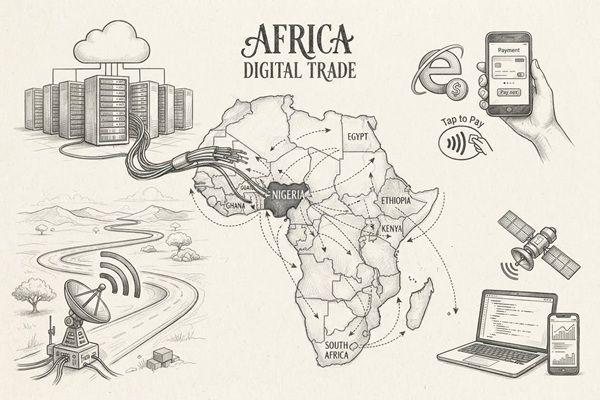
Nigeria prepares digital trade pact with five African nations to expand business reach
Nigerian Bbanks slash loan impairment charges by 47% to ₦1.01trn after costly bad debt clean-up

Has Tinubu turned Nigeria into a cappuccino economy? When the economy looks attractive from the top but leaves millions struggling at the bottom
Beyond the showcase: is Enugu getting the governance it deserves?

No comments yet — be the first to comment.