

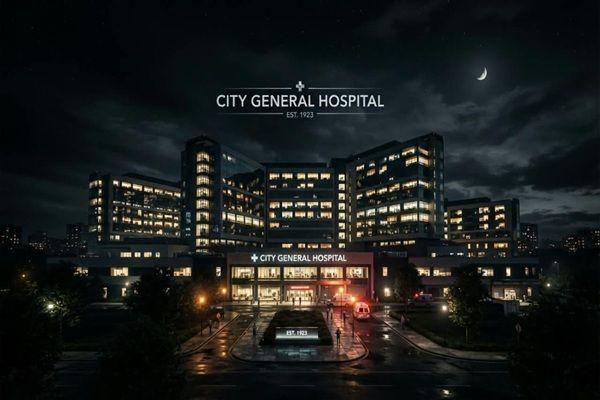
A hospital is one place where electricity should never be taken for granted. Behind the walls of its wards, laboratories, and operating theatres, lives depend on equipment that must function when needed. A monitor tracks a patient’s heartbeat. A laboratory machine processes a blood sample. A refrigerator preserves temperature-sensitive medicines. In an operating theatre, a surgeon relies on adequate lighting to perform procedures with precision. When electricity suddenly disappears, the consequences can extend far beyond darkness.
The reported power outage at Maitama District Hospital in Abuja, which disrupted computer-based operations and access to medical records, brings this concern into focus. Although the full extent of the disruption and its effect on patients remain unclear, the incident raises an important question about the vulnerability of healthcare services when the electricity supply fails.
For a person arriving at a hospital, even a short delay can feel like an eternity. Someone experiencing severe pain may be desperate for attention. A worried parent may be waiting for a child to receive treatment. An elderly patient may need urgent assessment. In such moments, the ability of a hospital to continue operating smoothly can make a significant difference to the patient’s experience.
A power outage does not automatically mean that lives are in danger, and the consequences depend on which services are affected and how quickly backup systems take over. But in a facility where electricity supports critical equipment and essential information systems, an interruption can create serious challenges.
Consider what happens when a patient arrives at an emergency department struggling to breathe. Healthcare workers may need to assess the patient’s condition, check oxygen levels and administer treatment without delay. Depending on the severity of the illness, powered equipment may be essential to providing that care. If the electricity supply fails and suitable backup power is unavailable or does not activate promptly, staff may face additional pressure at a moment when every second matters.
- The same concern applies to operating theatres. Surgical procedures often depend on reliable lighting, monitoring devices, anaesthesia equipment and other electrically powered systems. Hospitals generally plan for interruptions by installing generators and backup power supplies, but these arrangements must be properly maintained, tested and capable of supporting essential equipment. A backup system that fails when required can turn an otherwise manageable outage into a serious operational problem.
The danger is not limited to emergencies or surgery. Hospitals depend on electricity for a wide range of everyday services, including diagnostic testing, imaging, laboratory work, refrigeration and electronic record management. When any of these activities is interrupted, patients may have to wait longer for assessments, results or treatment decisions.
The disruption of electronic medical records at Maitama District Hospital illustrates another aspect of the problem. Medical records contain information that can help healthcare workers understand a patient’s medical history, previous diagnoses, allergies and medications. When digital systems become inaccessible, retrieving that information may take longer, particularly if staff cannot readily access a paper-based alternative.
For a patient who has visited the same hospital several times, the absence of an accessible record may complicate the process of reviewing previous treatment. In an urgent situation, delays in obtaining relevant information can make clinical decision-making more difficult. This does not mean that treatment must stop whenever computers go offline, but it highlights the importance of having alternative procedures that allow healthcare workers to continue working safely.
There is also the question of communication. When services are disrupted, patients need to know what is happening. They need clear information about whether consultations are continuing, whether emergencies are being prioritised and whether they should wait or seek assistance elsewhere. Uncertainty can intensify anxiety, especially for people who have travelled long distances or spent money they can scarcely afford on transport and medical care.
For families already worried about a sick relative, sitting in a waiting area without knowing when attention will be available can be distressing. The experience becomes more difficult when patients are not told why services have slowed or what steps are being taken to address the situation.
Nigeria’s electricity challenges make reliable backup arrangements particularly important for healthcare institutions. Hospitals cannot always prevent interruptions to the public power supply, but they can prepare for the possibility that electricity will become unavailable. That preparation should include functional generators, appropriately sized backup systems, regular maintenance, adequate fuel arrangements and clear procedures for switching essential equipment to alternative power.
Not every part of a hospital requires the same level of backup protection. Critical-care equipment, emergency lighting, operating theatres and other essential services may need priority arrangements that minimise interruption. Computer systems also require appropriate protection so that sudden power loss does not compromise access to information or damage equipment.
Preparedness must extend beyond purchasing generators. Equipment needs routine servicing, backup systems need regular testing, and staff must understand what to do when the main supply fails. Hospitals should also maintain workable procedures for recording and retrieving essential patient information when electronic systems are unavailable. These measures cannot eliminate every risk, but they can reduce the likelihood that a power interruption will bring important services to a halt.
Hospital administrators and relevant authorities therefore have a responsibility to treat electricity reliability as part of patient safety, rather than merely a matter of convenience. Patients may never see the generators, backup batteries or emergency procedures behind the scenes, but those arrangements can become crucial when normal operations are disrupted.
The reported incident at Maitama District Hospital does not, by itself, establish that a patient suffered serious harm or that the facility lacked adequate backup infrastructure. Those questions require verified information. Nevertheless, it provides a reason to examine how public hospitals prepare for electricity failures and how they ensure that patients continue receiving appropriate care during disruptions.
- A hospital’s work does not pause simply because the lights go out. Illness does not wait for electricity to return, emergencies do not follow a power schedule, and the need for medical attention does not disappear when computer screens go dark.
The true measure of a hospital’s preparedness is not only how well it operates when everything works as expected, but also how effectively it protects patients when something goes wrong. In healthcare, dependable electricity is not a luxury. It is an essential part of the infrastructure that helps medical professionals deliver safe and timely care.

Administrator contributes reporting and analysis on government for Brandish.
Keep Reading

Ibrahim Traoré’s two books generate CFA 125 million for Burkina Faso’s patriotic fund, as total funds raised for national security pass CFA 550 billion

King Mohammed VI of Morocco and King Felipe VI of Spain disagreement over migration triggered by 70,000 illegal migrants who crossed from Morocco to Spain

US blacklist puts Nigeria’s military partnership under pressure over child recruitment allegations

Real Madrid say Nazi comparison unacceptable demand La Liga president’s resignation

World Bank mobilises $5.79bn for investment in Nigeria, agric, telecom and SMEs as Dangote, Indorama get funds to boost fertilizer production

No comments yet — be the first to comment.