

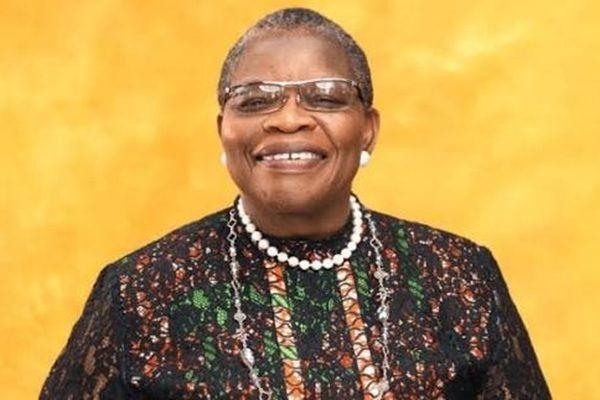
By Dare Babalola
Former Minister of Education, Oby Ezekwesili, has urged African countries to stop treating healthcare as a social expense dependent on foreign aid, arguing that the sector should instead be developed as a strategic economic driver.
Ezekwesili made the call in a post on X on Friday after attending the World Health Summit in Berlin, Germany, where she spoke on the role of healthcare in driving innovation, competitiveness and economic resilience.
She argued that healthcare should not be treated as a cost to be cut during economic difficulties or a charitable sector left to foreign donors.
According to her, Africa must recognise healthcare as a major economic opportunity capable of creating jobs, supporting local manufacturing, promoting innovation and strengthening national security.
Ezekwesili warned that the continent’s dependence on imported medical supplies and foreign assistance leaves its health systems vulnerable to disruptions in international supply chains and sudden cuts in aid.
She claimed that African countries import more than 90 per cent of their health commodities, a situation she said undermines their ability to respond independently to public health emergencies.
“Health for African countries is a strategic economy: a market of 1.5 billion people, a manufacturing base, a jobs engine, an innovation frontier and a pillar of national security, all at once,” she wrote.
The former minister argued that countries that continue to treat healthcare primarily as an aid-dependent social expense risk losing lives, economic opportunities and control over their health security.
She said African governments should assess their healthcare systems against three key measures: innovation, competitiveness and resilience.
On innovation, Ezekwesili said countries must determine whether they develop their own healthcare solutions or depend largely on products and technologies created elsewhere.
On competitiveness, she urged governments to examine whether they generate economic value across the healthcare supply chain or continue exporting demand by importing finished products.
She said resilience should be measured by a country’s ability to protect its population when supply chains break down, foreign assistance stops or disease outbreaks occur.
Ezekwesili’s remarks at the summit focused on the theme, “From Crisis to Resilience: Innovating for Health,” and the strategic role of healthcare in economic development.
She urged African countries to rethink their healthcare policies and investment priorities, arguing that building domestic capacity would help them compete more effectively and withstand future crises.

Administrator contributes reporting and analysis on leadership for Brandish.
Keep Reading
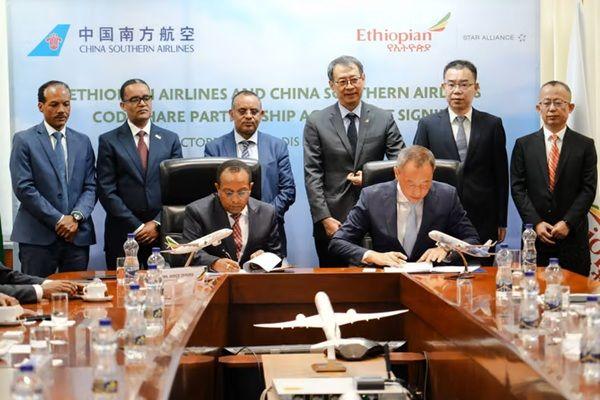
Ethiopian Airways, Africa's biggest airline, and China Southern Airlines, sign deal to widen travel connections as the Chinese airline enters Ethiopia

Nigeria’s opposition is talking unity again, but can Atiku, Obi and Makinde agree on 2027?

No thief drives a stolen car gently

Real Madrid say Nazi comparison unacceptable demand La Liga president’s resignation

World Bank mobilises $5.79bn for investment in Nigeria, agric, telecom and SMEs as Dangote, Indorama get funds to boost fertilizer production

No comments yet — be the first to comment.