

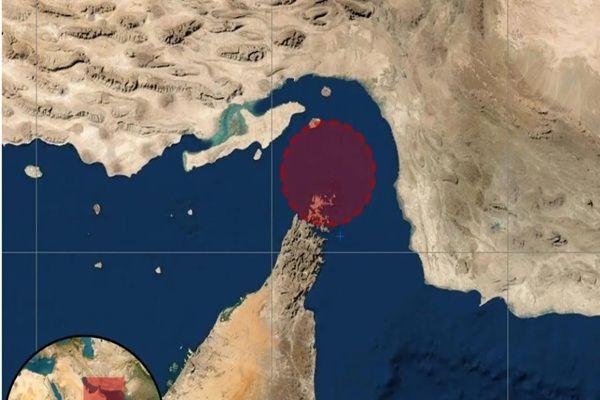
The United States and Iran remain sharply divided over how to end their nearly seven-month war, but Tehran says diplomatic efforts must continue as pressure on global energy supplies keeps markets on edge.
A senior Iranian official told Reuters on Wednesday that Tehran was reviewing Washington’s response to Iranian peace proposals following the first known indirect US-Iran talks in months, held on the sidelines of the United Nations General Assembly in New York.
“There are still many differences between the Iranian and US positions, but diplomacy is continuing,” the official said.
The comments came shortly after Iranian President Masoud Pezeshkian told the UN General Assembly that Iran would not surrender to US pressure, while leaving the door open to negotiations.
The diplomatic contact involved Iranian Foreign Minister Abbas Araqchi and US envoys Steve Witkoff and Jared Kushner, communicating through mediators.
Iranian Foreign Ministry spokesman Esmail Baghaei said Tehran had conveyed conditions that included an end to the war, a halt to what it described as US acts of aggression and the release of frozen Iranian assets.
For markets, however, the biggest immediate issue remains the Strait of Hormuz, through which roughly one-fifth of global oil and liquefied natural gas shipments moved before the conflict.
Pezeshkian used his UN address to make clear that the strait remains a central point of Tehran’s demands.
Iran has said it could reopen the strategic waterway if Washington eases military pressure and lifts its blockade on Iranian ports.
A senior Iranian official said on Tuesday that reopening could take as little as seven days once the necessary conditions are met.
Washington, however, has rejected any arrangement that would give Iran control over international shipping through the waterway.
The disagreement has significant implications for global energy markets. Disruption to Hormuz has reduced the flow of crude and refined products from the Gulf, while shipping companies have demanded exceptionally high premiums to move cargoes through the conflict zone.
Despite the risks, traffic through the strait has increased in recent weeks. Saudi Arabia has also been able to redirect part of its crude exports through its East-West pipeline to the Red Sea, helping to reduce its dependence on Hormuz.
The pipeline, which can move up to seven million barrels per day, was restarted this week after being damaged in a drone attack.
Oil markets reacted sharply to the latest political signals.
Brent crude settled 3.86 per cent higher at $103.08 a barrel on Wednesday, while US West Texas Intermediate rose 1.81 per cent to $92.16.
Prices had earlier moved lower on expectations that increased Gulf supplies and diplomatic contacts could ease the disruption.
The volatility reflects the competing forces in the market.
On one side, greater flows through Hormuz, the restart of Saudi Arabia’s East-West pipeline and signs of diplomatic engagement could improve supply prospects.
On the other, continued attacks, threats of further military action and uncertainty over the reopening of the strait are keeping a substantial geopolitical premium in crude prices.
Refined products have been particularly affected. Diesel supplies have been disrupted across several markets, adding to inflationary pressure and increasing costs for transport, manufacturing and other energy-intensive sectors.
US Secretary of State Marco Rubio said on Wednesday that reaching an agreement with Iran would require negotiations over time, while maintaining that President Donald Trump has military options available.
The comments followed Trump’s address to the UN General Assembly on Tuesday, in which he warned of potentially severe military action if Tehran does not agree to end the conflict.
Pezeshkian responded by rejecting what he described as a bullying approach, insisting that Iran would not yield to pressure while repeatedly saying his government remained prepared to resolve tensions through negotiations.
The opposing positions mean that the New York discussions have reopened communication without producing an announced breakthrough.
Iran’s position is complicated further by divisions at home. The diplomatic contacts have drawn criticism from Iranian hardliners, with some questioning the decision to communicate with US representatives at all.
The longer the disruption lasts, the wider its economic effects could become.
Before the war, the Strait of Hormuz was a critical artery for global energy trade, carrying about a fifth of the world’s oil and LNG shipments.
Any sustained reduction in flows can feed directly into crude prices, freight costs, fuel prices and inflation across importing economies.
For oil-producing countries such as Nigeria, higher crude prices can provide additional government revenue and foreign-exchange earnings.
But the benefit is not automatic. Higher global oil prices can also raise domestic fuel costs, particularly in a market where petrol prices are increasingly exposed to international crude and refined-product prices.
Nigeria’s Dangote refinery has reduced the country’s dependence on imported petrol and other refined products, but the wider international energy market still influences domestic fuel economics.
The conflict therefore presents a mixed picture for Nigeria. Higher crude prices could support export earnings and government revenue, while higher refined-product and shipping costs could add pressure to inflation, transportation and household spending.
For investors, the immediate focus will remain on whether diplomacy produces a sustained reopening of Hormuz and whether Gulf oil flows continue to recover.
Saudi Arabia’s pipeline restart has already provided some relief to global supply, but the market remains highly sensitive to fresh attacks or any deterioration in negotiations.
For now, Washington and Tehran have reopened a diplomatic channel, but neither side has publicly shifted its core position.
The next phase of negotiations will determine whether that contact develops into a framework for ending the war or remains another temporary pause in a conflict that has already disrupted global energy markets.

Administrator contributes reporting and analysis on energy for Brandish.
Keep Reading

Dangote's investment in Kenya faces legal challenges as 133 Lamu residents sue to halt Ksh 2 Trillion refinery project

Heirs Energies Unveils Digital Transformation Strategy to Boost Production in Nigeria

Ruto tours Dangote's Lagos refinery as group targets $36 billion revenue
Senegal turns to Turkey for up to $3.5 billion refinery push as it targets West Africa’s fuel market
Ima gas field: AMNI, TotalEnergies to invest $800m to open up 53-year-old opportunity

No comments yet — be the first to comment.